


Critical Thoughts on Embedded Sustainment & Obsolescence
Critical Thoughts is where we share hard-won insights from the field. It’s not a blog—it’s a working record of what we’ve learned supporting sustainment, managing obsolescence, and partnering with OEMs on legacy challenges that don’t fit the usual models.
These are the strategic, technical, and sometimes messy realities behind keeping embedded systems mission-ready over the long haul.
Throughout my work with GDCA and all the issues around obsolescence, I have never come across someone who believes that obsolescence is something to be celebrated and welcomed. Everything associated with obsolescence is considered something to be avoided. The concept of planned obsolescence brings with it connotations of either designing a product to wear out…

Between Section 818 in the NDAA FY12 and the NDAA FY13 Amendment, the defense industry is highly aware of the risks of counterfeit components in the supply chain. As a rule, logistics teams know not to purchase parts off EBay but from authorized sources, or purchase directly from the manufacturer. They know about the SAE…

In general, defense sustainment and counterfeit avoidance has been left to DMSMS teams and logistics or engineering tactics. However, so far the solution has primarily been to develop standards, authentication and anti-counterfeit technologies. These responses have been critical, but have largely remained reactive and have not produced the dynamic collaboration crucial to maintaining a healthy,…
In the past we’ve talked about the challenges of Last-time Buy and overstock. In Dr. Sandborn’s CALCE Obsolescence Management training, this question illustrates the challenges and risks in regards to what customers can face, at the time of EOL. The answer might be easy if you were looking at a “bridge buy”, where you only…


No matter what your opinion; DNA tagging is currently one of the top methods being discussed to ensure component authentication. The Defense Logistics Agency (DLA) even issued a Request for Information on the subject. Unfortunately, due to the costs projected and associated with DNA tagging and authentication, few businesses appear to be looking forward to…
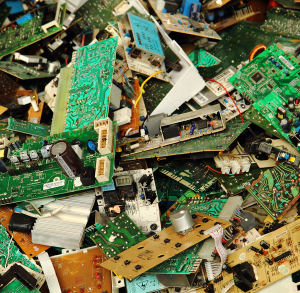
According to the EPA, although electronic waste (or sometimes known as “e-waste”) is less than 10% of the current solid waste stream, it is growing 2-3 times faster than any other waste stream. In 2005 an estimated 26-37 million computers became obsolete and the Consumer Electronics Association reported that roughly 304 million electronics—were removed from…

After our evacuation from New Orleans, we wrote about the part that collaboration played in our experiences. While we focused on how the collaboration mostly focused on safely addressing an incoming hurricane; generally when we talk about collaboration here at GDCA, we’re talking about collaboration in the sense of an integrated supply chain poised to…
Proactive obsolescence management can often be an adventure. I like to think of it as a cross-industry supply chain game of chess. On one side, you have legacy experts like GDCA, with a quarter of a century of experience sustaining legacy systems. On the other side you have counterfeit risk, disruptive technology and time. This…

They both get harder to maintain as they get older, and if you don’t plan for obsolescence, they can both fail. It’s common sense. As things get older, they become more expensive to maintain. For example, an antique car was state-of-the art when it first came out. It performed beautifully, and the parts were easy…